
N+N 172
Perfectionism

Research
Evaluative concerns perfectionism and coping with failure: Effects on rumination, avoidance, and acceptance: “perfectionism was related to more avoidance after experiences of both failure and success.”
Related: Prospective research has found higher levels of perfectionism predict depression
Around the web
…when one lives one’s own life, one must take mistakes into the bargain; life would not be complete without them. There is no guarantee not for a single moment that we will not fall into error or stumble into deadly peril. We may think there is a sure road. But that would be the road of death… Anyone who takes the sure road is as good as dead.
Carl Jung
Good Ideas, and I mean this in the broadest sense – research directions, startup ideas, premises for a novel – almost always sound stupid at first. They often make the person who came up with them look stupid. So if a truly Good Idea always starts out by looking unserious, then the only way to have one is to get comfortable producing stupid things
I have come to believe over and over again that what is most important to me must be spoken, made verbal and shared, even at the risk of having it bruised or misunderstood.
Audre Lord
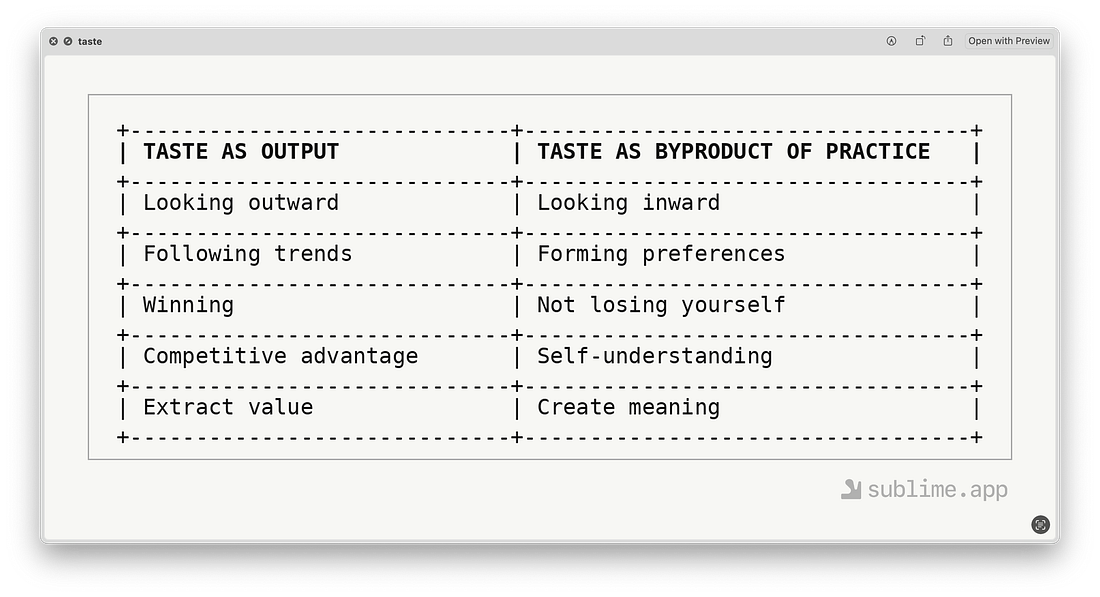
I think it’s vital now to actively think about your own taste and separate it from the influence of digital machinery.
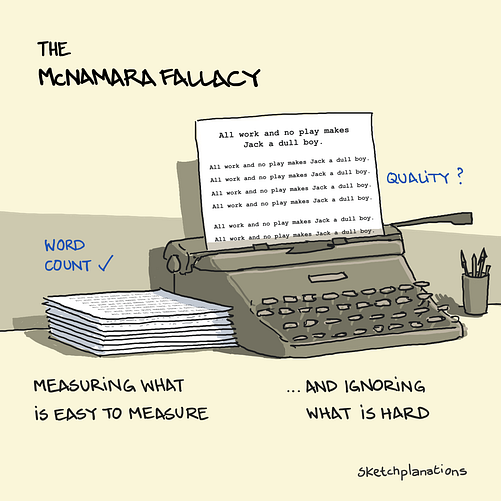
How prediction markets are changing the music industry [Archive Link]: “People often say prediction markets are useful because they can forecast the future. In a traditional poll, researchers pick a random group of people and calculate a margin of error. But polls can still be very wrong. In a prediction market, people actually bet their own money on what they think will happen. The idea is that when people risk their own cash, they’re showing how strongly they believe they’re right. And the more money that flows into a market, the more accurate it’s supposed to become, because prices adjust to reflect what informed participants think is most likely.”
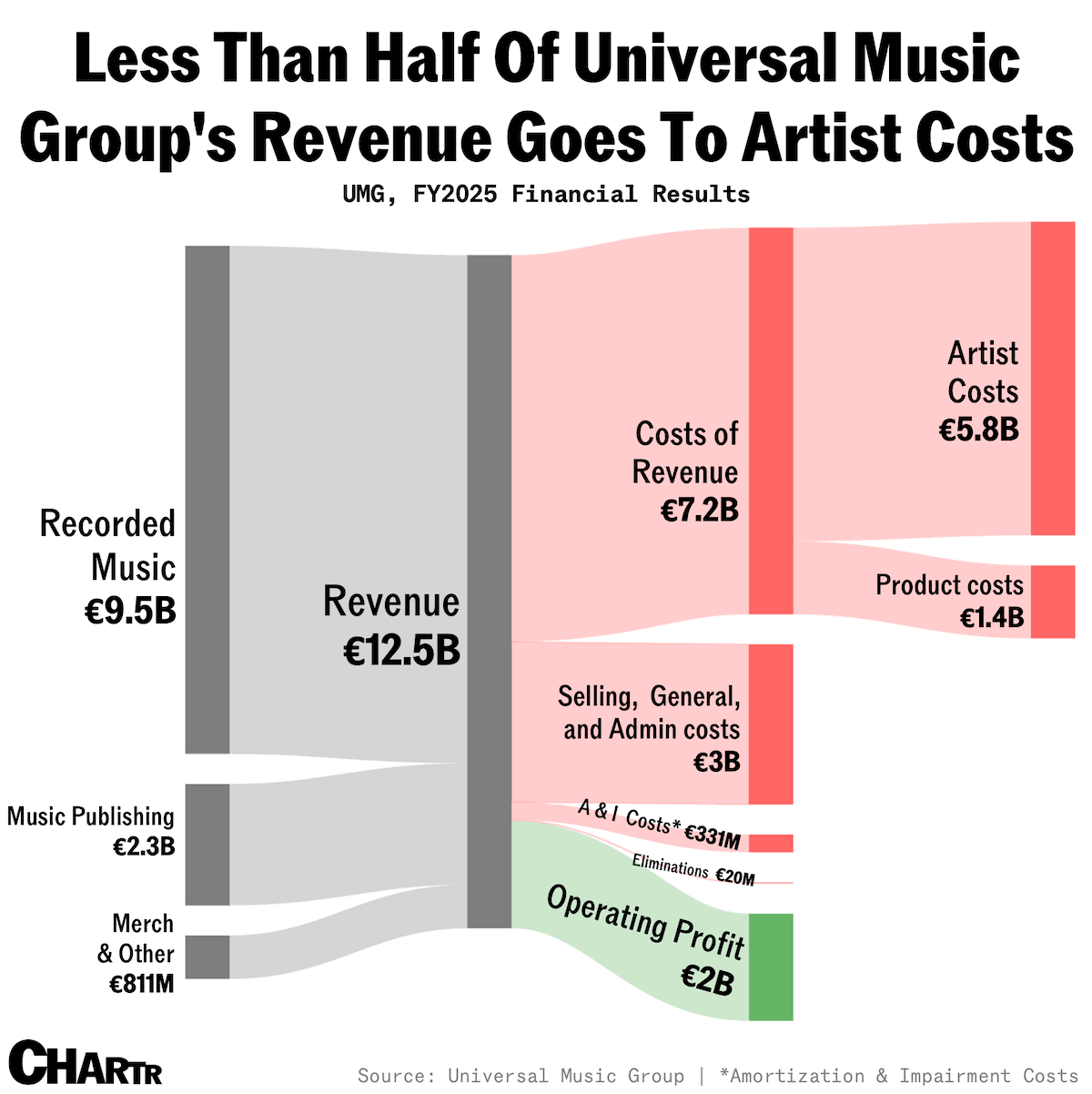
Pershing Square, a hedge fund led by Bill Ackman (his thoughts on culture? Or developing artists?), has made an offer to purchase Universal Music Group for €55 billion, using money he doesn’t have. As part of the deal, Universal’s stake in Spotify will be sold for €1.5 billion.
Deloitte’s 2026 Digital Media Trends: “These fans and fan communities have already built connected, continuous ecosystems for themselves across multiple environments. But many say they’d prefer one environment that aggregates their favorite content, discussions, and experiences.”
SoundCloud enables Follower Exclusive Releases feature
Instagram positions itself as a music “superfandom” platform. However, let’s not forget the risks associated with platform dependency
Write to please just one person. If you open a window and make love to the world, so to speak, your story will get pneumonia
Kurt Vonnegut
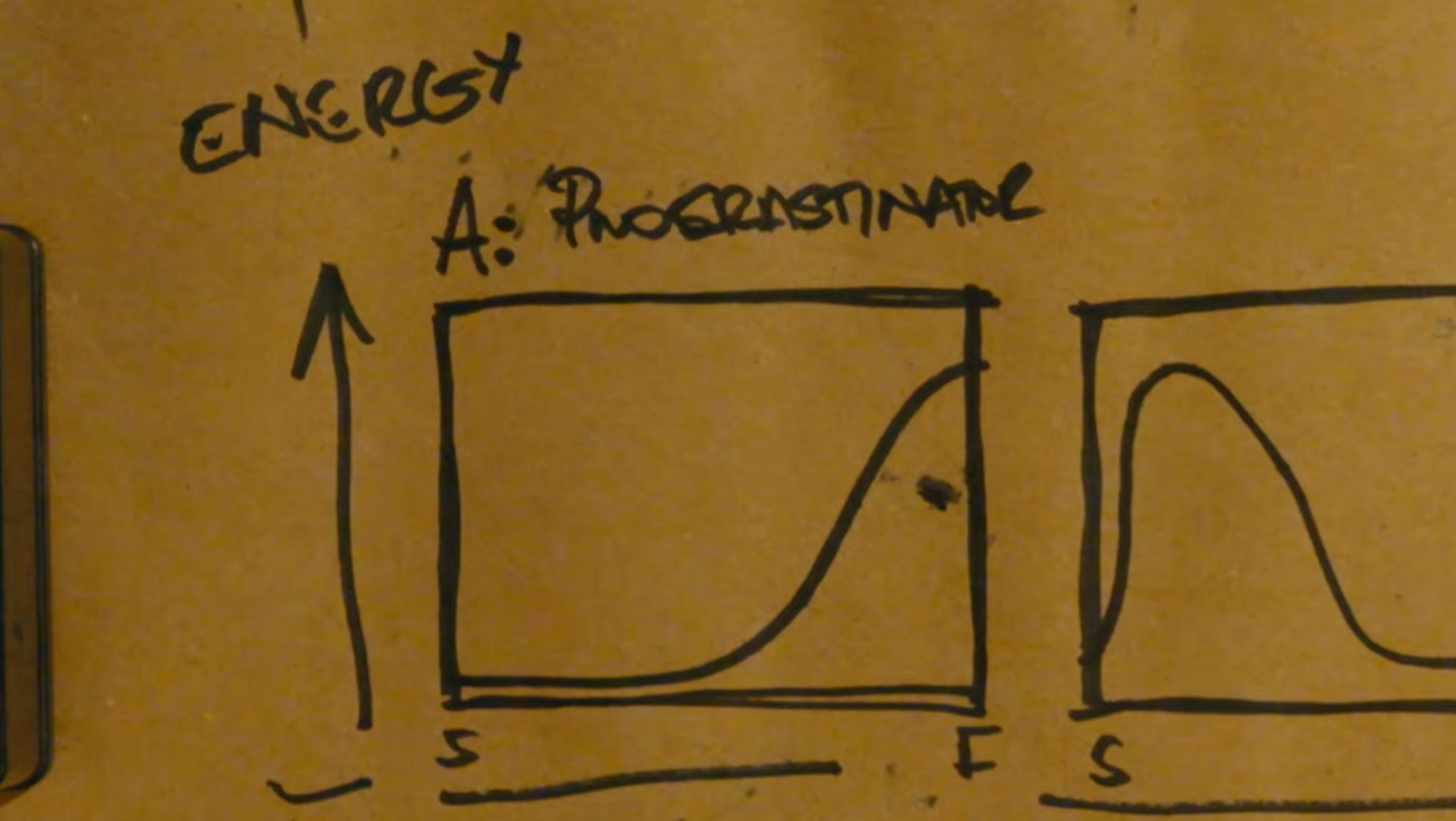
Perfection is expensive. The last 5 percent of quality almost always costs a disproportionate amount of time and money.
James Clear
Listening and watching
Things we’re interested in
For every person declaring that analogue is back, there’s someone offering the same explanation why: AI and other digital tools have made perfection cheap, fast, and easy, so imperfection now signals authenticity. But if analogue only matters as a foil to the digital, why are analogue aesthetics being embraced without analogue tools? If the goal is to prove something wasn’t made by AI, faking ‘realness’ on a computer doesn’t really get us anywhere new. It just reflects a different kind of dissonance (call it fauxbi-sabi). Case in point: I noticed that one vendor selling ‘analogue’ Photoshop actions advertises them with the tagline ‘Save time, focus on being creative’, a promise suspiciously similar to every argument made in favour of AI.
AI is here to stay, but we still have a learning curve on using it without losing our way–or ourselves. Curiosity, critical thinking, empathy and collaboration are four uniquely human skills that AI can’t replace
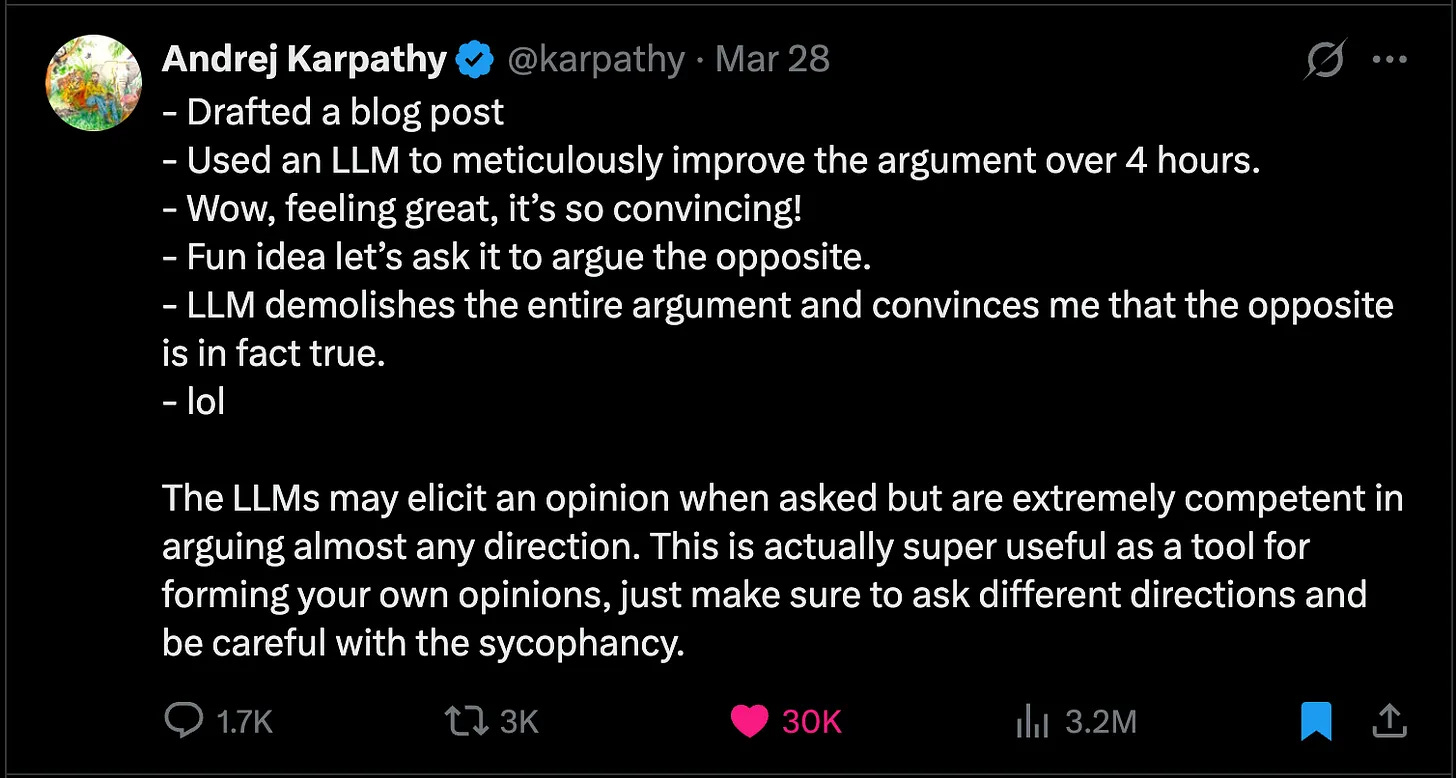
apfel: “The free AI already on your Mac.”
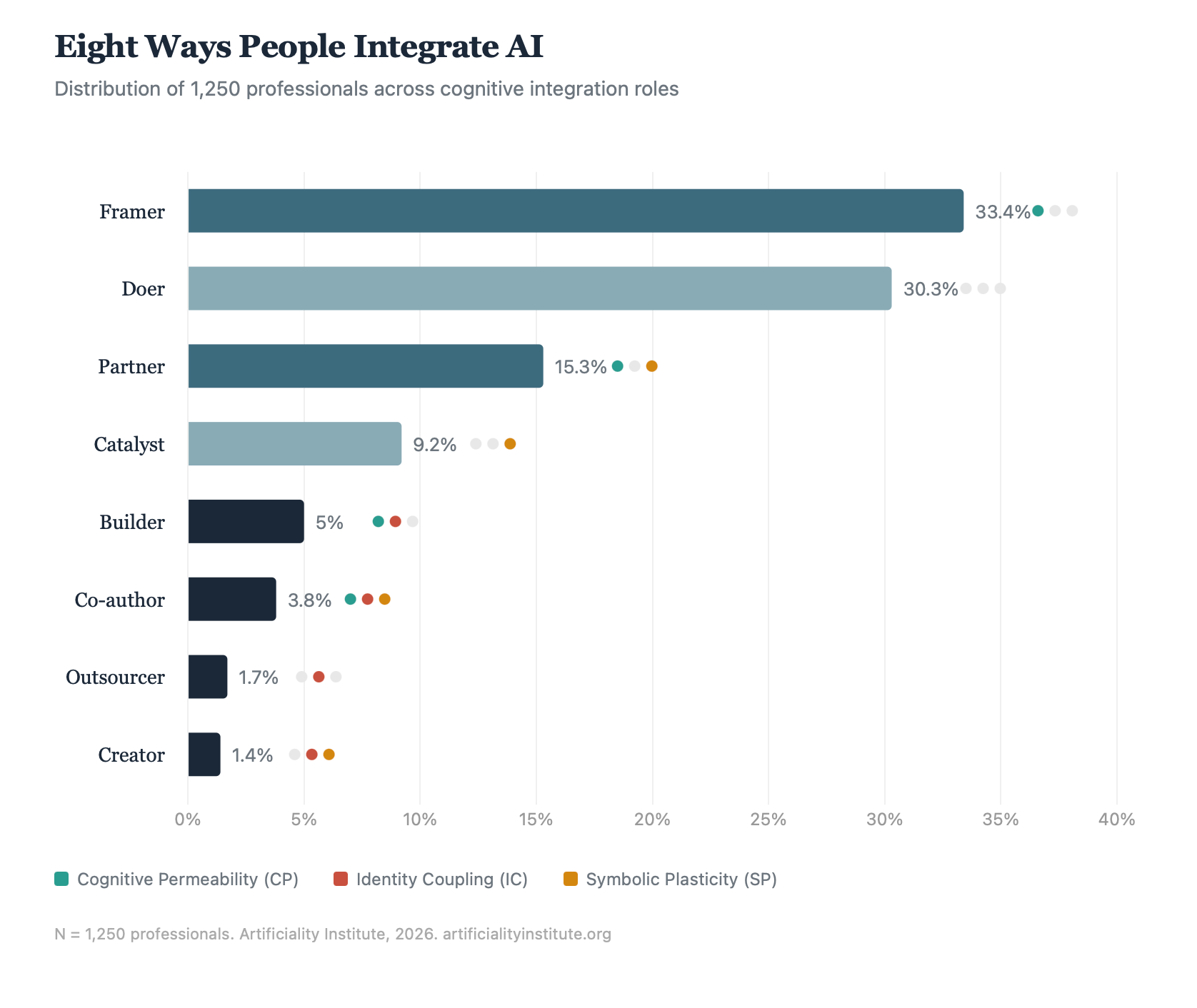
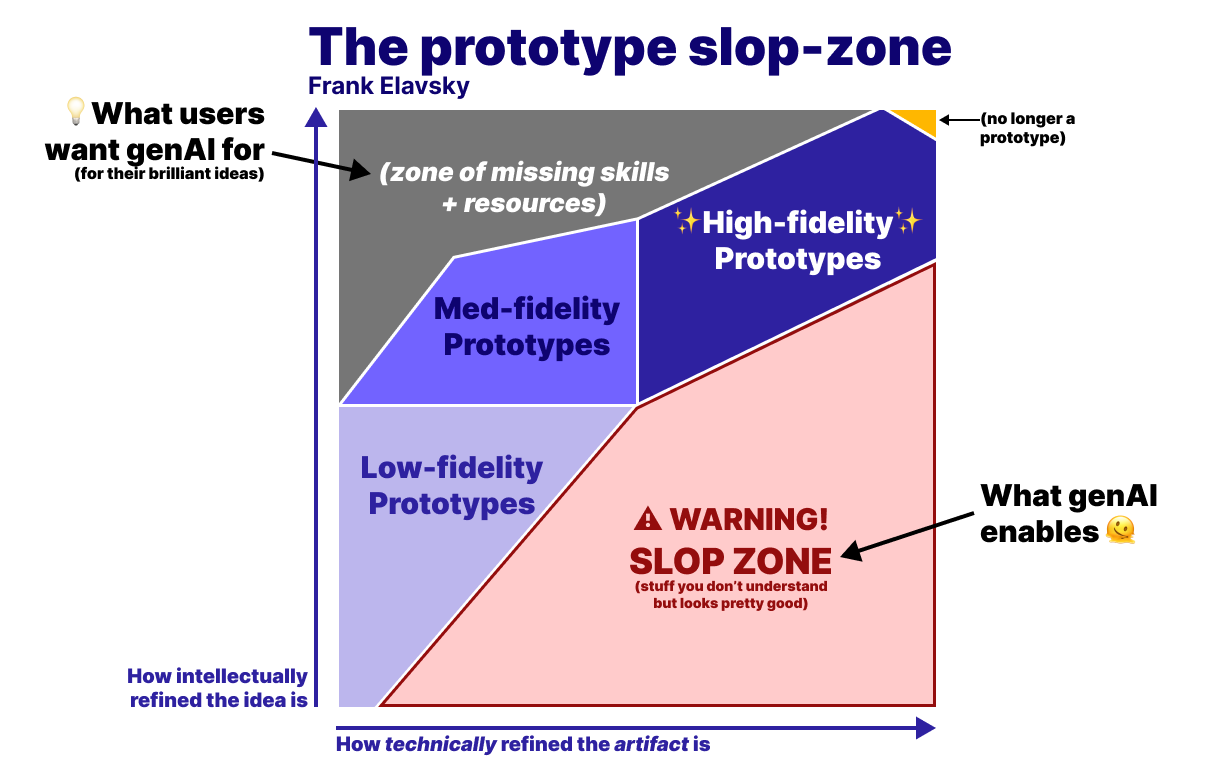
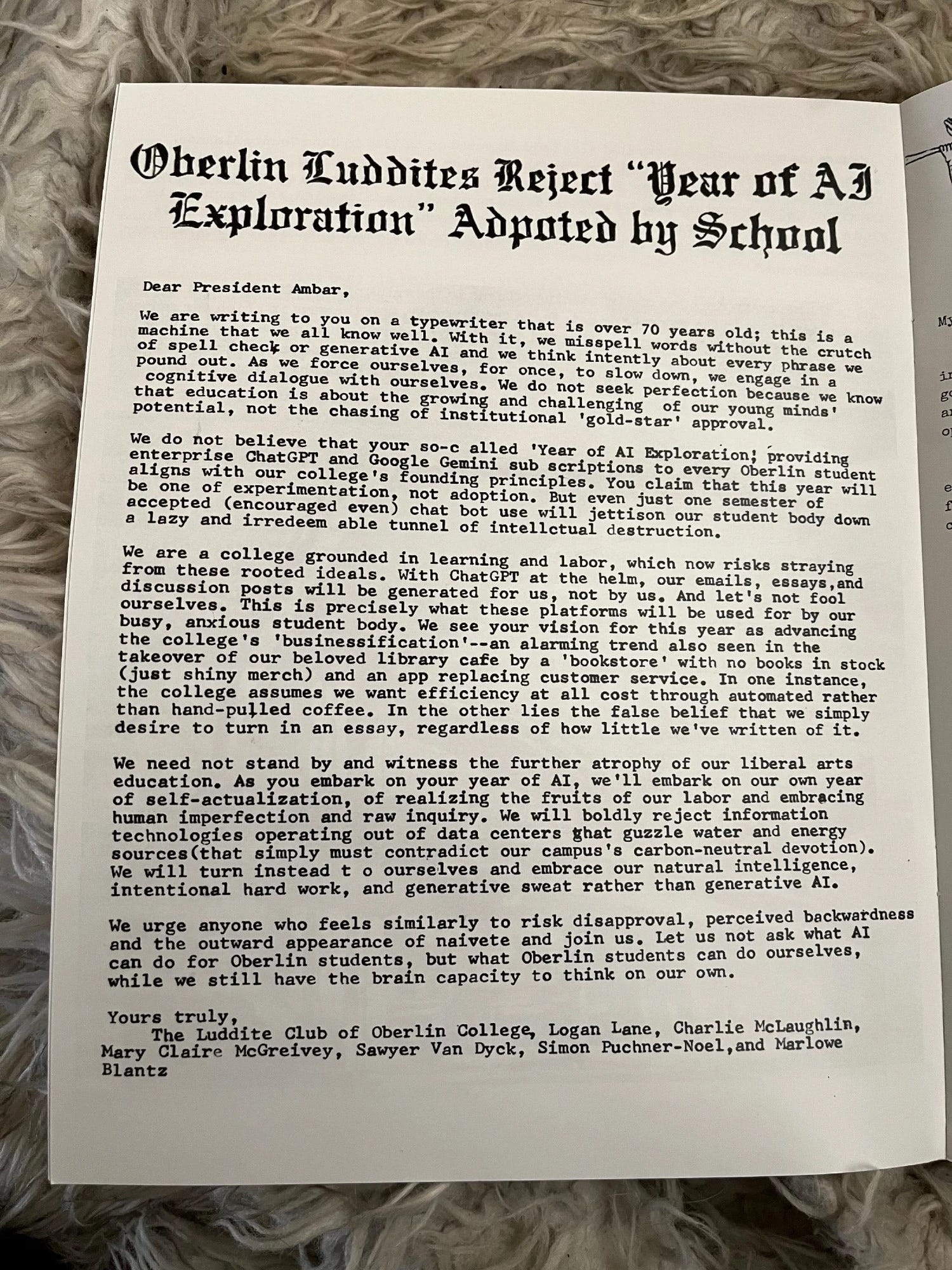
…the questions consuming the Anglophone AI conversation may be the wrong questions entirely.
The numbers make the case before the argument does. The World Bank’s 2025 Digital Progress Report found that more than 40 per cent of ChatGPT’s global web traffic now comes from middle-income countries, led by Brazil, India, Indonesia and Vietnam. India alone has a hundred million weekly active users. When Datareportal measured adoption as a proportion of internet users, Kenya led the world. Brazil was second. When you strip away the headlines from San Francisco and the opinion columns from London, the actual centre of gravity for generative AI use is not the Anglophone West. It is the global majority.
And what are they doing with it?
👉 Why you’ll never “get on top of everything” - Oliver Burkeman
Question
Closing notes
You are reaching the end of the newsletter. Thanks so much for reading!
I hope it’s not been too much of an intrusion and if you liked this issue of the newsletter, please share or recommend to a friend or colleague.
There may be an occasional typo. Woops! There isn’t much I can do once the email has sent, but I do try to correct and update the web version.
Until next week…
RSS
Thanks for reading Creative Audio! Subscribe for free to receive new posts and support our work.